Reviewing Apple Mandala Teacher for Embroidery Projects
As a designer who spends more time tweaking stitch paths than I do sleeping, I approach every new machine embroidery design with a healthy dose of skepticism. We have all been there: you download a cute graphic, load it onto your machine, and watch in horror as the thread bunches up or the details vanish into the fabric grain. That is why I took a close, practical look at Apple Mandala Teacher. This isn’t just about whether the image looks pretty on a screen; it is about how it behaves under the needle and how it translates into a tangible, high-quality finished product.
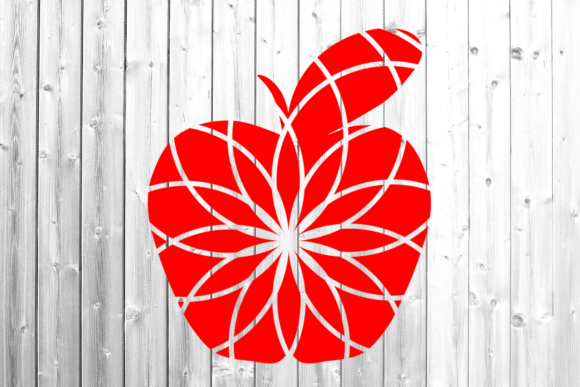
The first impression of Apple Mandala Teacher is one of balanced complexity. It merges the classic, recognizable silhouette of an apple with the intricate, radial symmetry of a mandala. For those of us in the Crafts and Graphics space, this combination is tricky. Apples are often simple, bold shapes, while mandalas require precision. When these two elements meet, the risk is visual clutter. However, this design manages to keep the central theme clear while offering enough decorative detail to justify the stitching time. It feels professional, not amateurish, which is crucial when you are building a brand reputation.
Real-World Application: The Custom Tote Bag Test
To truly evaluate an embroidery file, you have to imagine it on a real item. I visualized this design on a heavy canvas tote bag design intended for a teacher’s appreciation gift. This is a common request for Etsy sellers and small shop product creators. The circular nature of the mandala works beautifully on the flat, expansive surface of a tote. It draws the eye to the center without feeling cramped.
In this scenario, the thread colors become critical. I imagined using a deep crimson for the apple body and contrasting gold or sage green for the mandala details. The design’s layout allows for creative color blocking. If you are creating a personalized gift, this flexibility is a major selling point. You can match the school colors or the recipient’s favorite palette. The visual weight of the design is substantial enough to stand out on thick canvas but not so dense that it turns the fabric into a stiff board.
Versatility Across Apparel and Home Decor
Beyond tote bags, Apple Mandala Teacher shows promise in custom apparel. Consider sweatshirt embroidery. A left-chest placement would require scaling the design down significantly. Here, my designer instincts kick in: you must check the stitch density. If the original file is optimized for a larger hoop, shrinking it for a pocket-sized logo might cause the stitches to overlap too much, leading to puckering. I recommend testing a smaller version on scrap fabric first to ensure the fine lines of the mandala do not merge into a solid blob.
For baby embroidery projects, such as a onesie or a nursery wall hanging, the softness of the design is appealing. However, you must be cautious with fabric texture. Delicate knits require a proper stabilizer and potentially a lighter touch in terms of stitch count. If the design relies heavily on fill stitch areas, it might be too heavy for a thin baby garment. In contrast, on a sturdy pillow cover or a kitchen towel, the design would shine, adding a touch of elegance to everyday items.
The concept also translates well to holiday embroidery. Think of a fall-themed decor piece or a back-to-school special. The apple motif is timeless, but the mandala element gives it a modern, bohemian twist that appeals to contemporary buyers. This makes it a versatile asset for commercial embroidery businesses looking to refresh their catalog without chasing fleeting trends.
Navigating Technical Challenges
No design is perfect for every situation, and honest review requires highlighting where Apple Mandala Teacher needs careful handling. The intricate details of the mandala pattern are its strength and its weakness. On textured fabrics like terry cloth or rough linen, tiny details can get lost. If you are stitching on a dark fabric, ensure your thread contrast is high. A low-contrast thread choice will make the detailed inner rings of the mandala invisible from a distance.
Curved surfaces present another challenge. If you plan to use this on a cap or hat, the circular design must be centered perfectly. Any distortion in the hoop will be obvious because of the symmetry. I advise using a strong cut-away stabilizer for caps to prevent the design from pulling the fabric out of shape. Additionally, avoid placing this design on highly stretchy fabrics unless you are experienced with managing tension. The rigid geometry of a mandala does not forgive fabric distortion.
Another consideration is the file format. The product description notes that the ZIP file contains an SVG vector file compatible with cutting machines like Cricut and Silhouette Cameo. This is excellent for printable mockup creation or hybrid projects where you might cut vinyl and embroider. However, for machine embroidery, you need to ensure you have the correct digitized file formats (such as PES, DST, or JEF) for your specific machine. If the package only includes SVGs for cutting, you may need to digitize it yourself or confirm if embroidery-specific files are included. Always verify the design assets provided before purchasing for commercial use.
Enhancing Brand Value and Customer Trust
From a business perspective, the quality of your embroidery project directly impacts customer trust. A clean, well-stitched Apple Mandala Teacher design signals professionalism. It shows that you care about detail. For craft business owners, this means higher perceived value. You can charge more for a complex, multi-colored mandala design than for a simple text-based monogram.
When listing this on platforms as an Etsy seller, use high-quality photos that show the texture of the stitches. Close-ups of the mandala details will help buyers appreciate the craftsmanship. Mentioning that the design is suitable for both personal and commercial projects (after confirming licensing) can broaden your customer base. Many makers look for reliable digital embroidery file sources that allow them to create and sell physical goods without legal worry.
Practical Designer Notes for Success
Before you commit to a large production run, follow these steps:
- Test on Scrap Fabric: Always stitch a test sample on the same type of fabric you intend to use for the final product. This reveals issues with tension and density.
- Check Thread Contrast: Use a color wheel to select threads that pop against your fabric. High contrast is key for intricate mandala patterns.
- Review Stitch Density: If the design feels too stiff after stitching, consider reducing the density in your editing software if you have the skills, or choose a lighter fabric.
- Confirm Hoop Size: Ensure the design fits comfortably within your hoop with adequate margin for framing.
- Inspect Small Details: Zoom in on the digital file. Are the lines too close together? If so, they may merge during stitching.
- Verify Licensing: Before selling finished items or using the design in commercial embroidery, read the license agreement carefully. Understand if attribution is required or if there are limits on the number of sales.
In conclusion, Apple Mandala Teacher is a compelling choice for designers who want to blend traditional motifs with modern intricacy. It requires thoughtful execution regarding fabric choice and stabilization, but the payoff is a sophisticated, eye-catching design that elevates any handmade product. Whether you are creating a unique embroidered patch, a boutique apron, or a custom gift, this design offers the versatility and visual appeal needed to stand out in a crowded market. Treat it with the technical respect it deserves, and it will serve your creative business well.