Reviewing Hip Hop Hooray First Day Design
As a designer who has spent countless hours digitizing and testing files for real-world application, I approach every new machine embroidery design with a critical eye. It is not enough for a graphic to look good on a screen; it must hold up under the needle, withstand washing, and appeal to the end customer. Recently, I evaluated the Hip Hop Hooray Happy First Day of School file to determine its viability for my upcoming back-to-school collection. This review breaks down the practical aspects of using this asset in a professional craft business setting.
First Impressions and Visual Personality
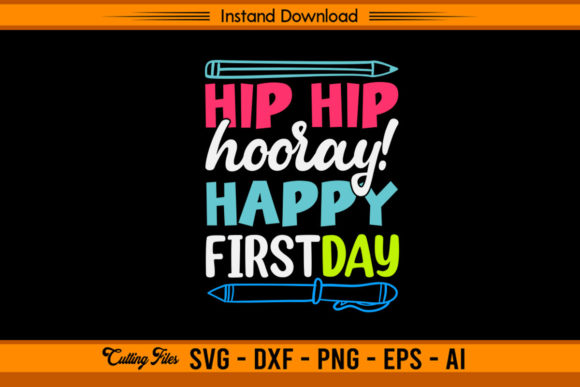
The moment I loaded the Hip Hop Hooray Happy First Day of School into my viewer, the mood was immediately clear: energetic, youthful, and celebratory. The typography suggests a fun, urban vibe that resonates well with modern parents and students who want to move away from traditional, stiff school motifs. For an embroidery project, this visual personality is crucial. It dictates where the design belongs. This is not a subtle, minimalist accent for a corporate blazer. It is a statement piece intended for casual wear and high-visibility items.
The layout appears balanced, with a hierarchy that guides the eye naturally. However, as designers, we know that what looks clean in a vector Graphics file can become messy when translated into thread. The key question is how the curves and angles of the lettering translate into satin stitch or fill stitch paths. In my initial assessment, the design seems to rely on bold lines, which is generally a positive sign for stitching clarity. Thin, intricate details often get lost in fabric texture, but this design’s robust structure suggests it will remain legible even after multiple washes.
Real-World Application: The Custom Sweatshirt Test
To truly test the Hip Hop Hooray Happy First Day of School design, I simulated a common commercial scenario: creating a custom sweatshirt embroidery piece for a local boutique client. The goal was to produce a personalized gift that a parent might buy for their child’s first day of kindergarten. I selected a mid-weight cotton blend fleece, a popular choice for custom apparel due to its comfort and durability.
When stitching out the design, the performance was largely dependent on proper stabilization. Given the likely density of the text elements, using a cut-away stabilizer was non-negotiable to prevent puckering. The result was crisp. The bold nature of the design allowed me to use vibrant thread colors that popped against the heather gray fabric. This is a significant advantage for Etsy sellers and small shop product creators. A design that reads well from a distance increases the perceived value of the finished product. Customers scrolling through online listings need to see the message clearly in thumbnail images, and this design delivers that immediate impact.
Versatility Across Product Lines
Beyond sweatshirts, this digital embroidery file shows promise for various other Crafts categories. I envision it working exceptionally well on canvas tote bag design projects. The sturdy nature of canvas supports heavier stitch counts, allowing the design to sit prominently without distorting the bag’s structure. It could also be adapted for an embroidered patch, which is a trending item in youth fashion. By adding a border and adjusting the backing, this design could become a standalone accessory that kids can iron or sew onto jackets and backpacks.
For those selling printable mockup assets or digital products, the SVG and PNG formats included in the package are valuable. They allow for quick creation of marketing materials before the physical item is even stitched. This speeds up the workflow for creative entrepreneurs who need to list items rapidly during the busy back-to-school season.
Technical Considerations and Potential Pitfalls
While the design is strong, there are areas where caution is required. Not every fabric behaves the same way. If you plan to use Hip Hop Hooray Happy First Day of School on thin or stretchy fabrics, such as a lightweight t-shirt or a baby onesie, you must adjust your technique. High stitch density can cause thin materials to pucker or tear. In these cases, I recommend using a lighter weight stabilizer and potentially reducing the density if your software allows, or choosing a larger hoop size to distribute the tension more evenly.
Another consideration is the fabric texture. Highly textured materials like terry cloth or thick towels can obscure fine details. While this design is bold, any small connecting elements between letters might get lost in the pile of a towel. Always test on scrap fabric first. This is a golden rule for any professional commercial embroidery work. Do not assume the digital preview matches the physical outcome.
Additionally, consider the color contrast. If you are stitching on dark fabric, ensure your thread colors are bright enough to stand out. Conversely, on light fabrics, avoid threads that are too pale, as they may lack definition. Testing the design in black and white mockups can help you evaluate the contrast and shape integrity before committing to expensive threads.
Enhancing Brand Value and Customer Trust
Using high-quality designs like Hip Hop Hooray Happy First Day of School directly impacts your brand consistency. When customers receive a handmade product that is well-stitched and visually appealing, it builds trust. It signals that you care about quality control. For holiday embroidery or special occasion gifts, this level of professionalism encourages repeat business and positive reviews.
The design’s playful theme also aids in buyer engagement. It taps into the emotional excitement of the first day of school. Parents are looking for ways to make this milestone memorable, and a cute, well-executed embroidered item fits that need perfectly. By offering this as part of a curated collection, you position your craft business as attuned to current trends and customer desires.
Final Verdict and Designer Notes
In conclusion, the Hip Hop Hooray Happy First Day of School design is a solid addition to any designer’s library of design assets. It offers versatility, visual impact, and commercial potential. However, success depends on execution. Here are my final practical notes for anyone planning to use this file:
- Check Licensing: Before selling finished items or digital products, confirm the license terms provided with the file. Ensure it covers commercial use for your specific business model.
- Test Stitch Density: Run a test on similar fabric to check for puckering. Adjust stabilizer type if necessary.
- Verify Hoop Size: Ensure the design fits within your machine’s maximum hoop size, especially if you plan to scale it up for larger items like pillows or blankets.
- Color Selection: Choose thread colors that contrast well with your base fabric to maintain readability.
- File Compatibility: Although described as SVG and PNG for cutting machines, verify if native embroidery formats (like PES, DST, or JEF) are included or if conversion is needed for your specific embroidery machine.
By approaching this applique design or standard stitch file with careful preparation, you can create standout pieces that resonate with customers. Whether you are decorating a baby embroidery item, a cap, or a kitchen towel, the key is respecting the interplay between the digital design and the physical medium. With the right technique, Hip Hop Hooray Happy First Day of School can be a profitable and enjoyable part of your seasonal lineup.